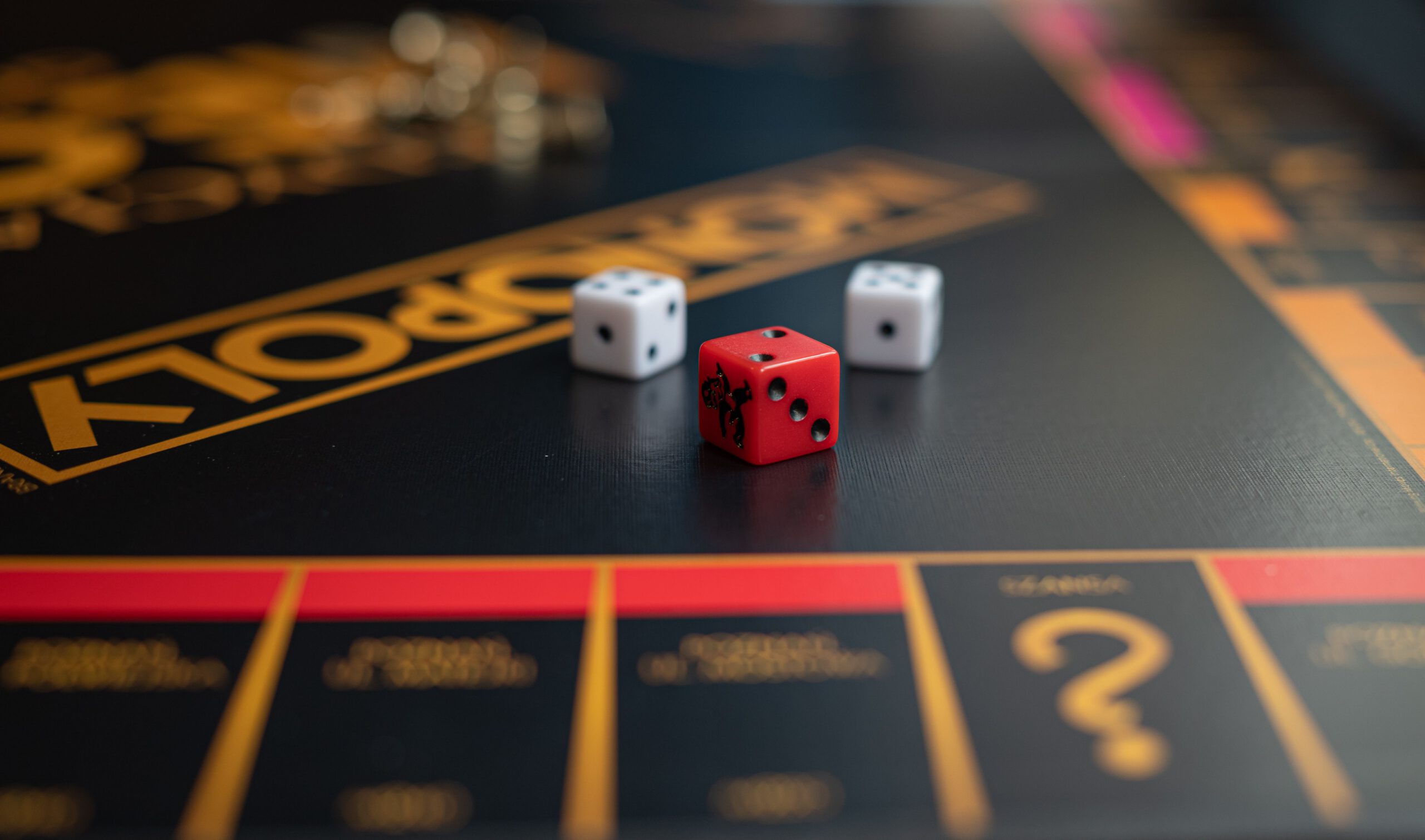
I love tabletop games, but I’ve learned that it is surprisingly easy to turn a hobby into another job. There’s always a new release to research, another campaign to prepare, miniatures to paint, rules to learn, messages to answer, and a shelf quietly reminding you that you still haven’t played half the games you already own. The habit that helps me most is remembering that none of it is compulsory.
I no longer buy games because I feel I ought to keep up. I try to focus on the games that genuinely suit my group, rather than chasing whatever is currently filling my feed. When I feel overwhelmed by choice, I go back to a familiar favourite with familiar people. Watch It Played makes a similar point in its discussion of board-game burnout: returning to the core games and people that made the hobby enjoyable can be more restorative than endlessly chasing the next thing.
I also try not to make every game night an “event”. Sometimes I want a full Saturday of campaign notes, snacks and dramatic boss music. More often, I just want an hour of cards, a quick co-op game, or a low-prep one-shot where nobody minds if the rules are a little fuzzy. Giving myself permission to choose the easy option has made me far more likely to play regularly.
For TTRPGs, I’ve stopped treating the GM as a full-time entertainment provider. Rotating GMs, running short arcs, and allowing planned breaks take pressure off the person behind the screen. Advice from RPG PHD similarly recommends sharing GM responsibility, communicating honestly with players, and building breaks into a campaign rather than waiting until someone is already exhausted. A longer campaign is not automatically a better campaign if the person running it is quietly dreading every session.
I keep my hobby separate from content as well. Watching TikToks, YouTube reviews and actual plays can be inspiring, but it can also create the feeling that I need an encyclopaedic collection and perfect table setup to qualify as a “real” player. I try to watch creators for ideas, not instructions. A brilliant session can happen with battered dice, a scribbled map and people who are simply pleased to be there.
Most importantly, I check in with myself after a game night. Did I have fun? Would I happily play that again next week? If the answer is no, I do not force it. Happy Jacks RPG puts it plainly: when the game is no longer fun, it is reasonable to pause, reconsider the setup, or step away for a while. The hobby should give me energy, not become another tab on my never-ending to-do list.

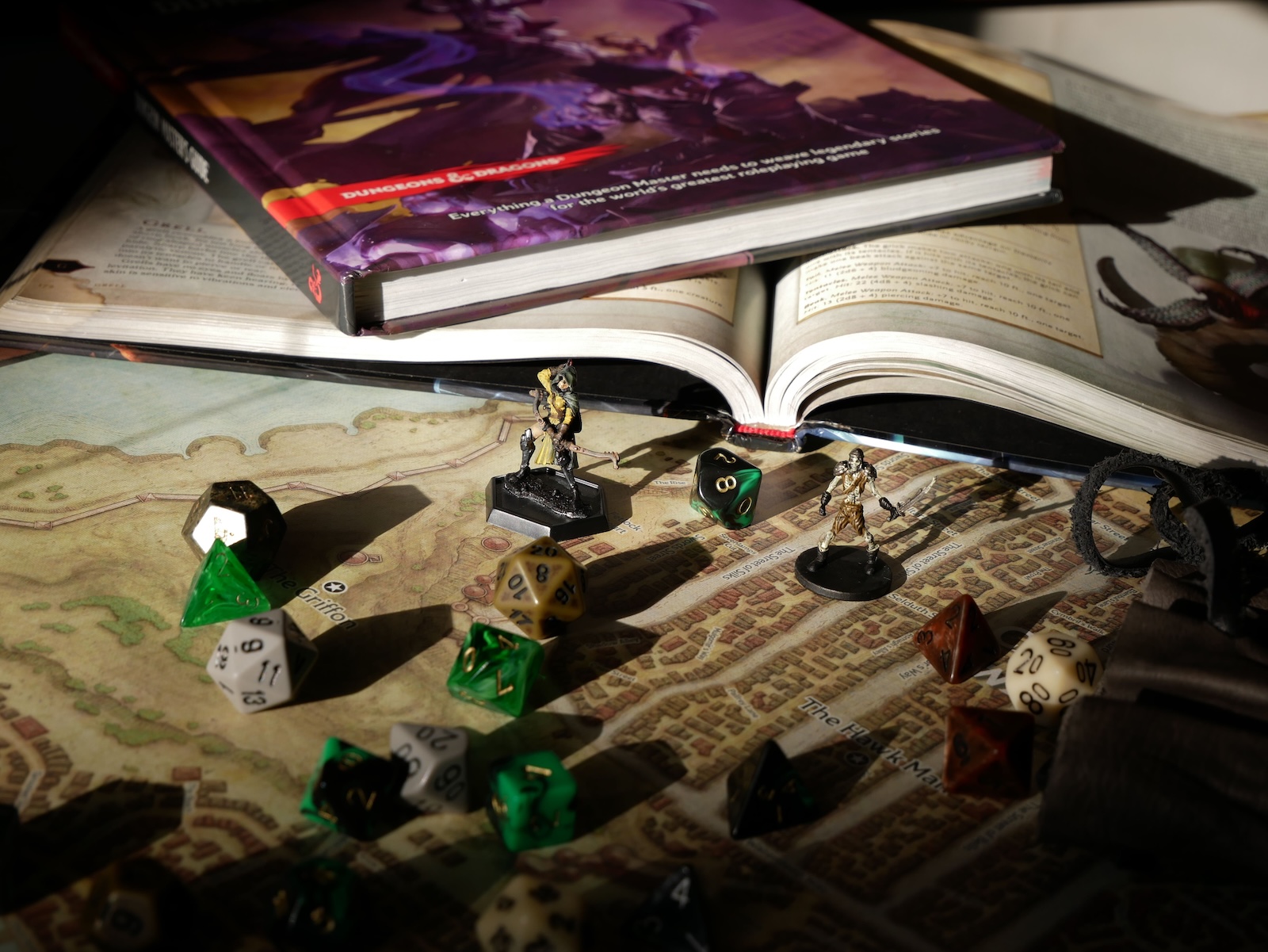
Running a one‑shot should feel like a fun detour, not a second job. I have learned that the key is not writing more, but writing less and leaning on the […]
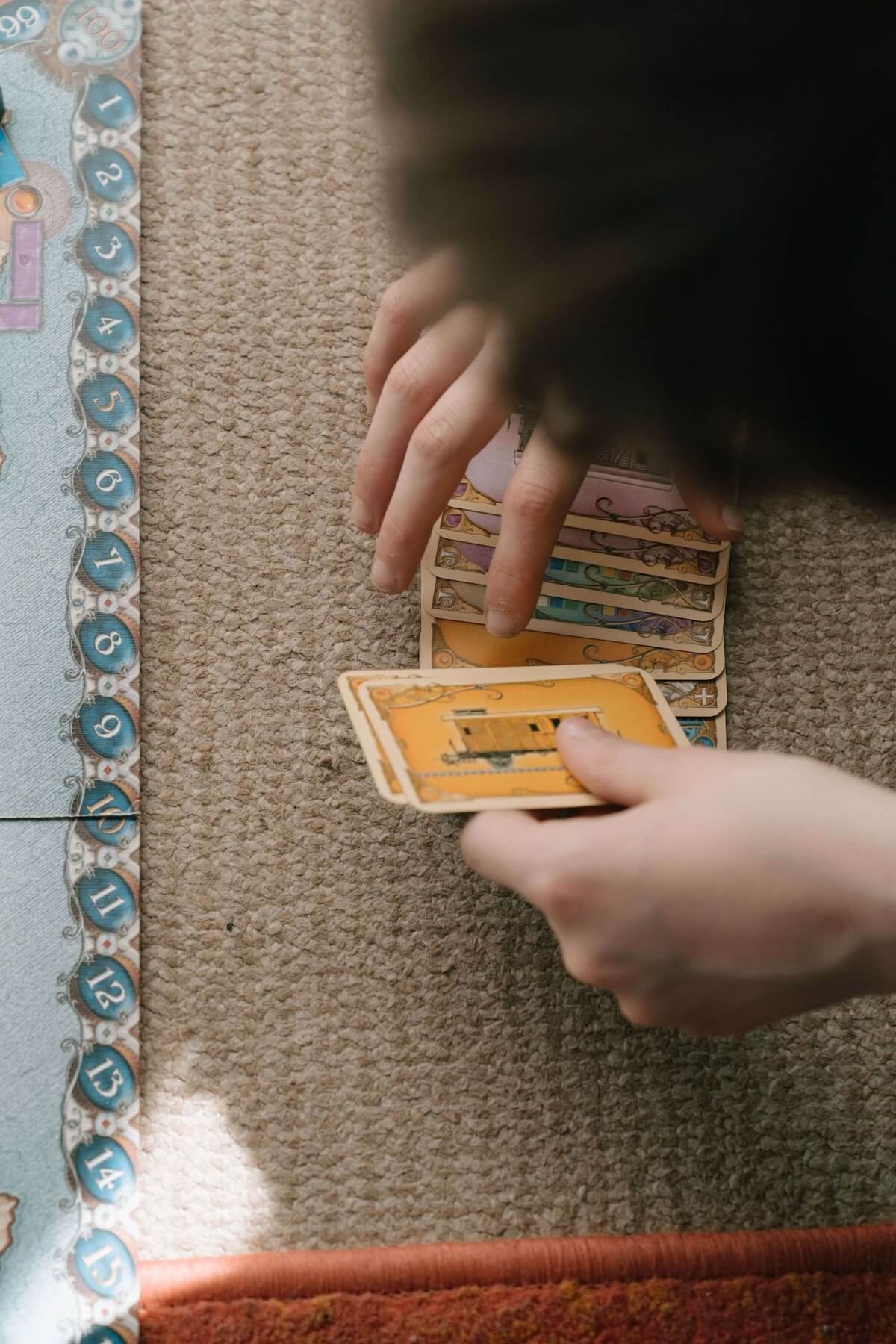
There are evenings when I want to play something more satisfying than a screen, but nobody is free and I cannot be bothered trying to organise a full game night. […]