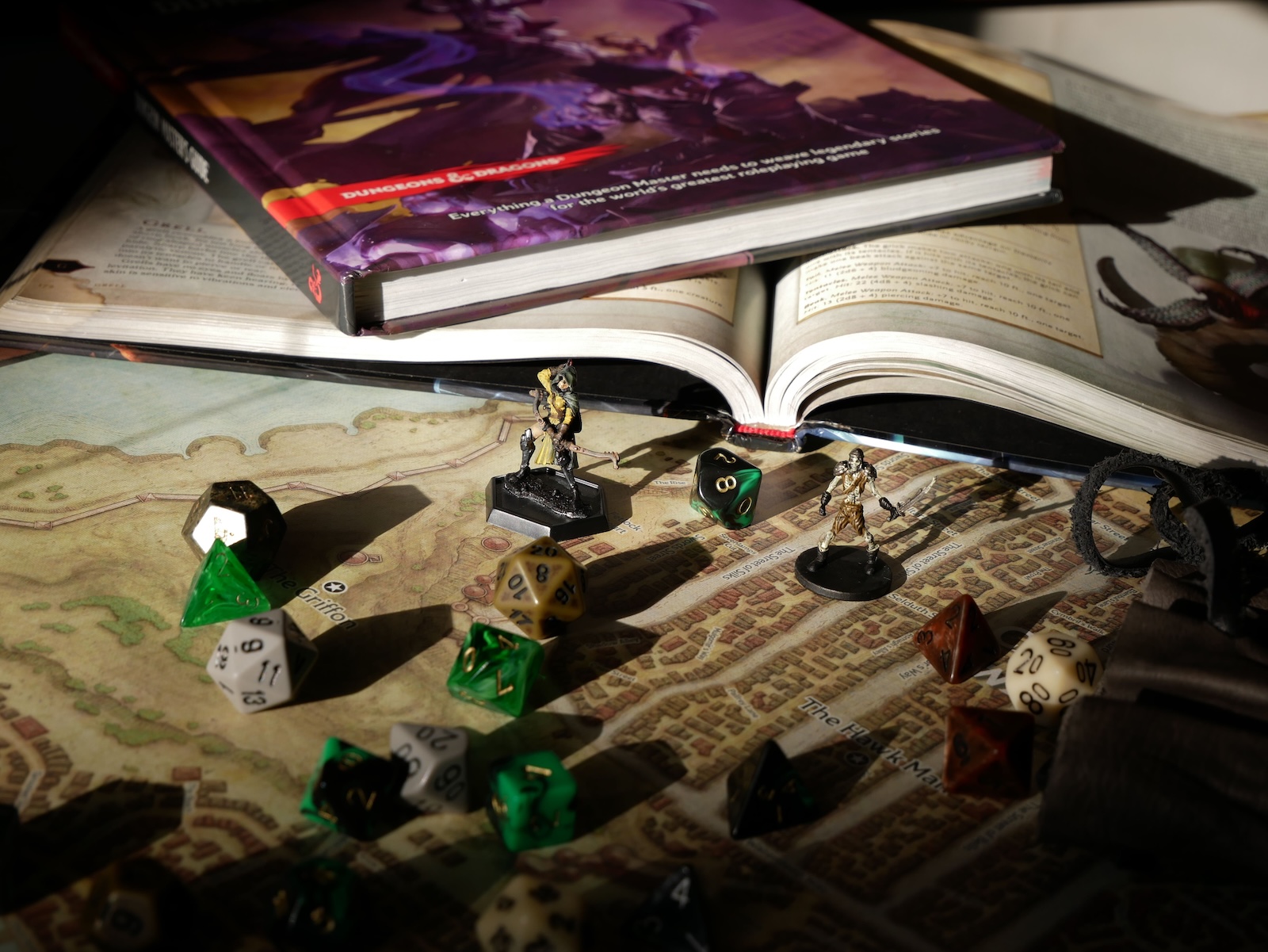
Running a one‑shot should feel like a fun detour, not a second job. I have learned that the key is not writing more, but writing less and leaning on the right prep. If you structure the evening so it can survive mistakes, missing players and low energy, you can run one‑shots regularly without burning out.
Start by choosing a simple, focused premise. A single location, one clear goal and a ticking clock do more work than three pages of lore. I aim for something that can be explained in two sentences and still sound interesting. That is the kind of setup that lets players jump straight in without needing a twenty‑minute briefing.
Next, prepare situations, not scripts. I sketch out who wants what, where the pressure is and what might happen if the players do nothing. Then I let the table decide how things actually unfold. This approach matches advice from TTRGM’s guide to running one‑shots: focus on a strong hook, clear stakes and a few memorable NPCs rather than trying to pre‑write every scene. If you want ready‑made structures, collections like the one‑shots at The Rogue’s Retreat are useful for grabbing a premise and adapting it to your group instead of starting from scratch.
Keep prep time bounded. I give myself a hard limit, then stop. A rough session outline, a handful of stat blocks and a list of names are usually enough. Anything beyond that tends to disappear the moment the players do something unexpected, which they always do. TTRGM also recommends keeping notes concise and reusable, so you can recycle locations and NPCs across different one‑shots without feeling like you are wasting work.
During the session, lean on player input. Ask them to describe their characters’ connections to the hook, the town or the villain. Let them name minor NPCs and suggest details about the world. This spreads the creative load and makes the story feel more personal without adding to your prep.
Finally, end cleanly. One‑shots work best when they feel complete, even if the world could continue. Wrap up major threads, highlight the consequences of the group’s choices and resist the urge to turn every one‑shot into a twelve‑session campaign. That way, you can run another one next month without dreading the prep.

There are evenings when I want to play something more satisfying than a screen, but nobody is free and I cannot be bothered trying to organise a full game night. […]
Crowdfunded games have improved my regular game nights when they give the group a clear reason to come back, rather than simply arriving with a larger box and more components. […]