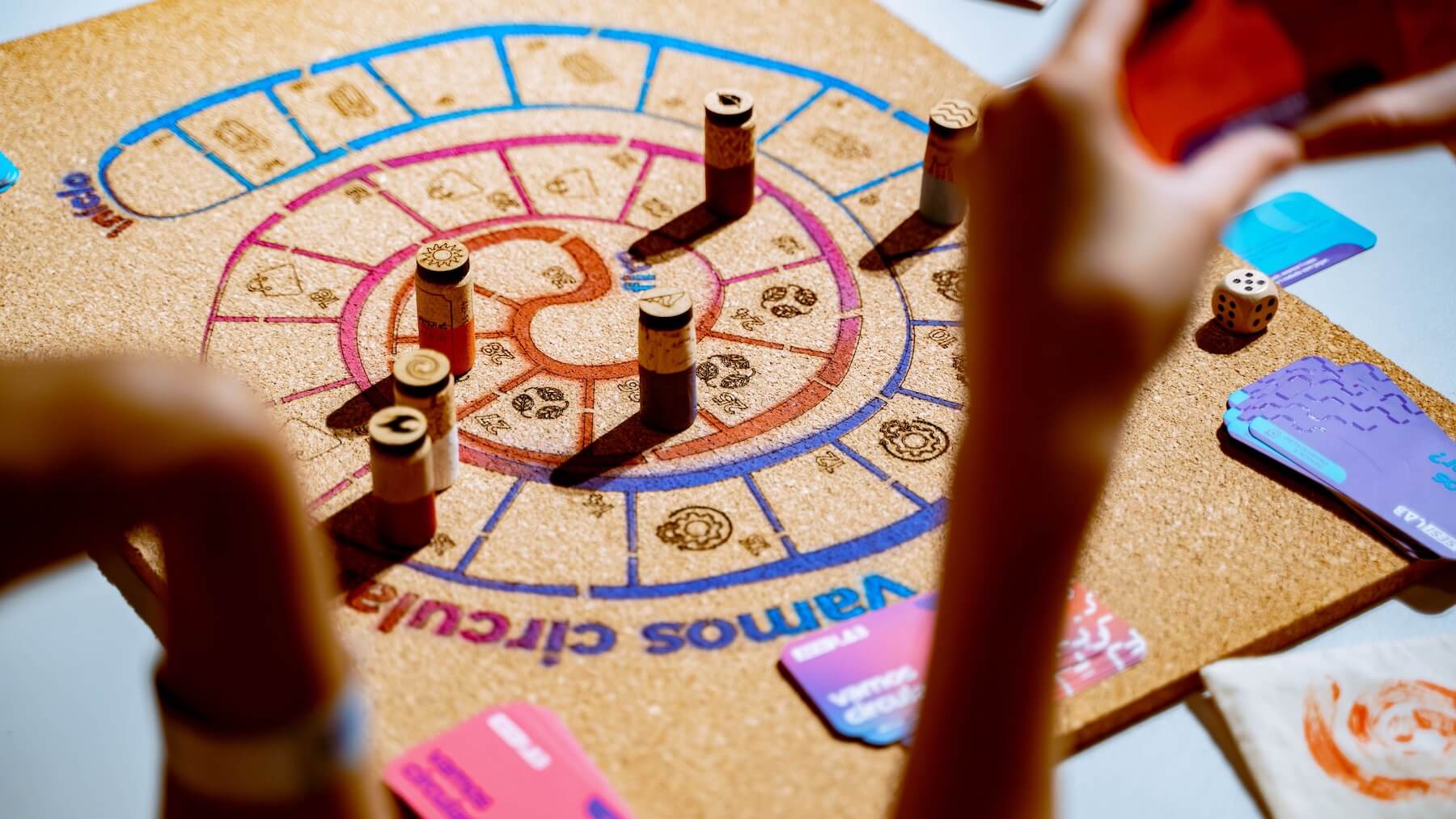
Some nights my gaming group spends longer choosing a game than actually playing one. Half the table wants something brain‑meltingly strategic, half wants to chat and drink, and someone always quietly hopes for a party game that doesn’t involve acting out charades. Over time I’ve built a small stack of board games I reach for when we genuinely can’t agree on anything. They’re not necessarily my favourites in the world, but they’re the ones that almost never get vetoed.
The first slot is for “easy to teach, hard to master” territory. I tend to grab mid‑weight strategy games that look friendly but have enough depth to keep the optimisers happy. Something with simple core rules, a short playtime, and room for different play styles usually survives the vote. These are the games where a newcomer can muddle through with basic moves while the veterans are quietly planning three turns ahead. The key is that nobody feels punished for not knowing every synergy on day one.
Then there’s the “chat‑friendly” category. These are games where you can hold a conversation without instantly losing, but there’s still enough going on that it feels like you’re actually playing something. I look for turns that are quick, downtime that doesn’t drag, and mechanics that create little stories without needing a rulebook lecture. These tend to be the ones that sneakily become favourites, because they fit around the social side of the night instead of competing with it.
Finally, I keep a wildcard option for when the group is split between “too serious” and “too silly”. This is usually a game with a strong hook or theme that pulls people in, even if the mechanics are a bit unusual. It might be a cooperative puzzle, a hidden‑role twist, or something with a novel physical component. As long as it feels fresh and doesn’t demand total silence, it often breaks the deadlock.
What ties all of these together is flexibility. They work with different player counts, tolerate late arrivals, and don’t collapse if someone has to leave early. They’re also games where “winning” feels secondary to having a good shared experience. On nights when the group can’t agree on anything, that’s usually enough to get us from “what shall we play?” to “one more game?” before anyone notices the time.

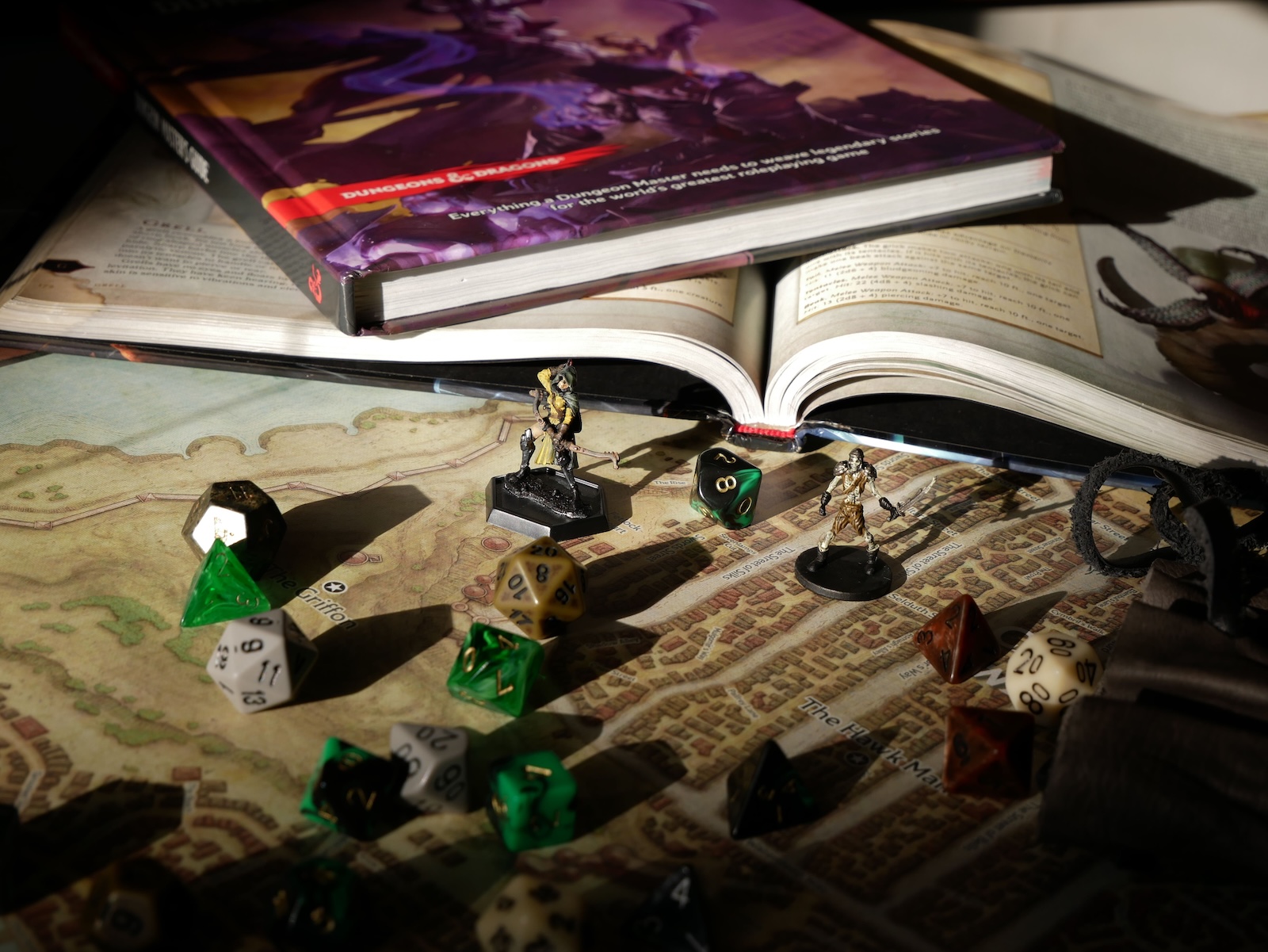
Running a one‑shot should feel like a fun detour, not a second job. I have learned that the key is not writing more, but writing less and leaning on the […]
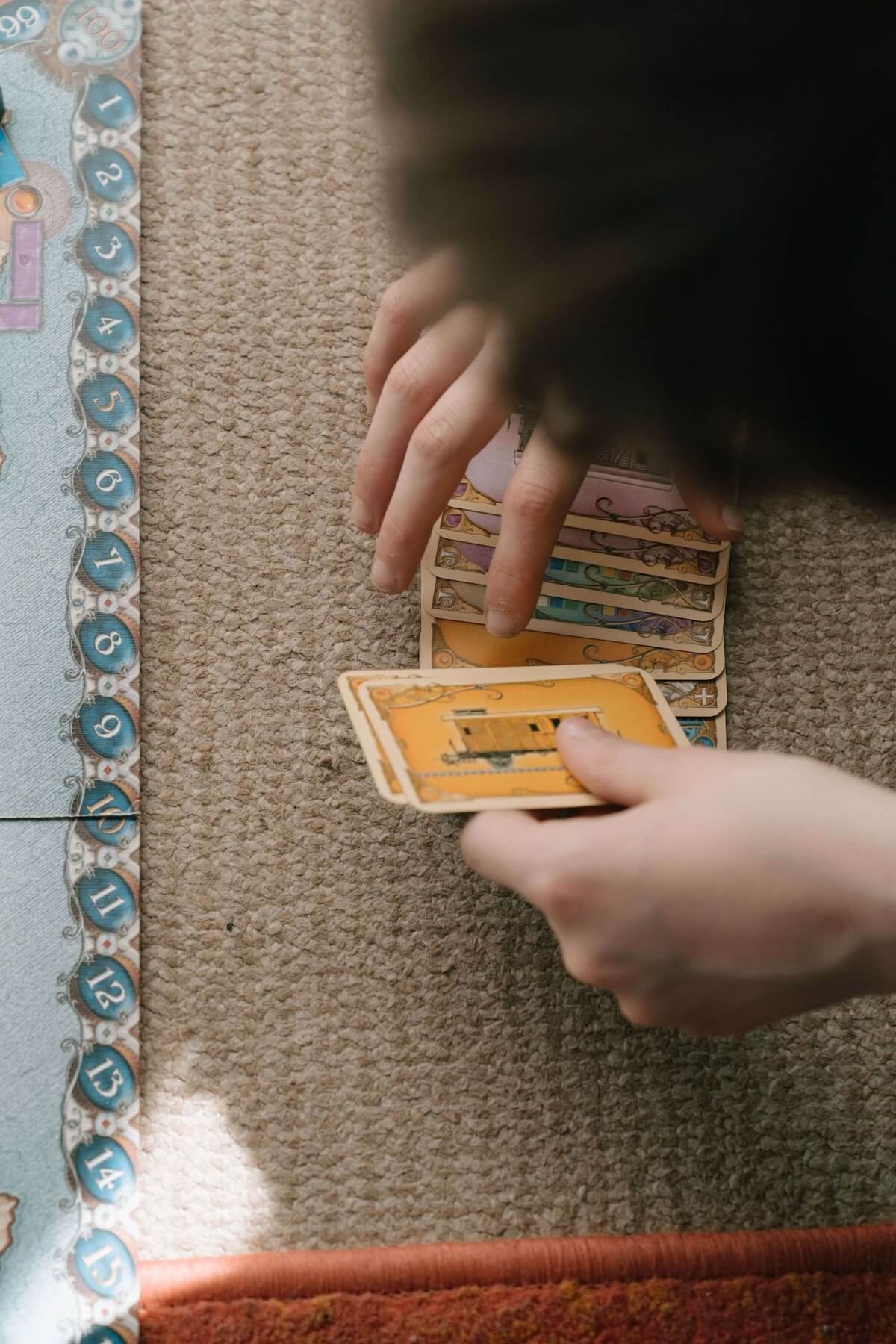
There are evenings when I want to play something more satisfying than a screen, but nobody is free and I cannot be bothered trying to organise a full game night. […]