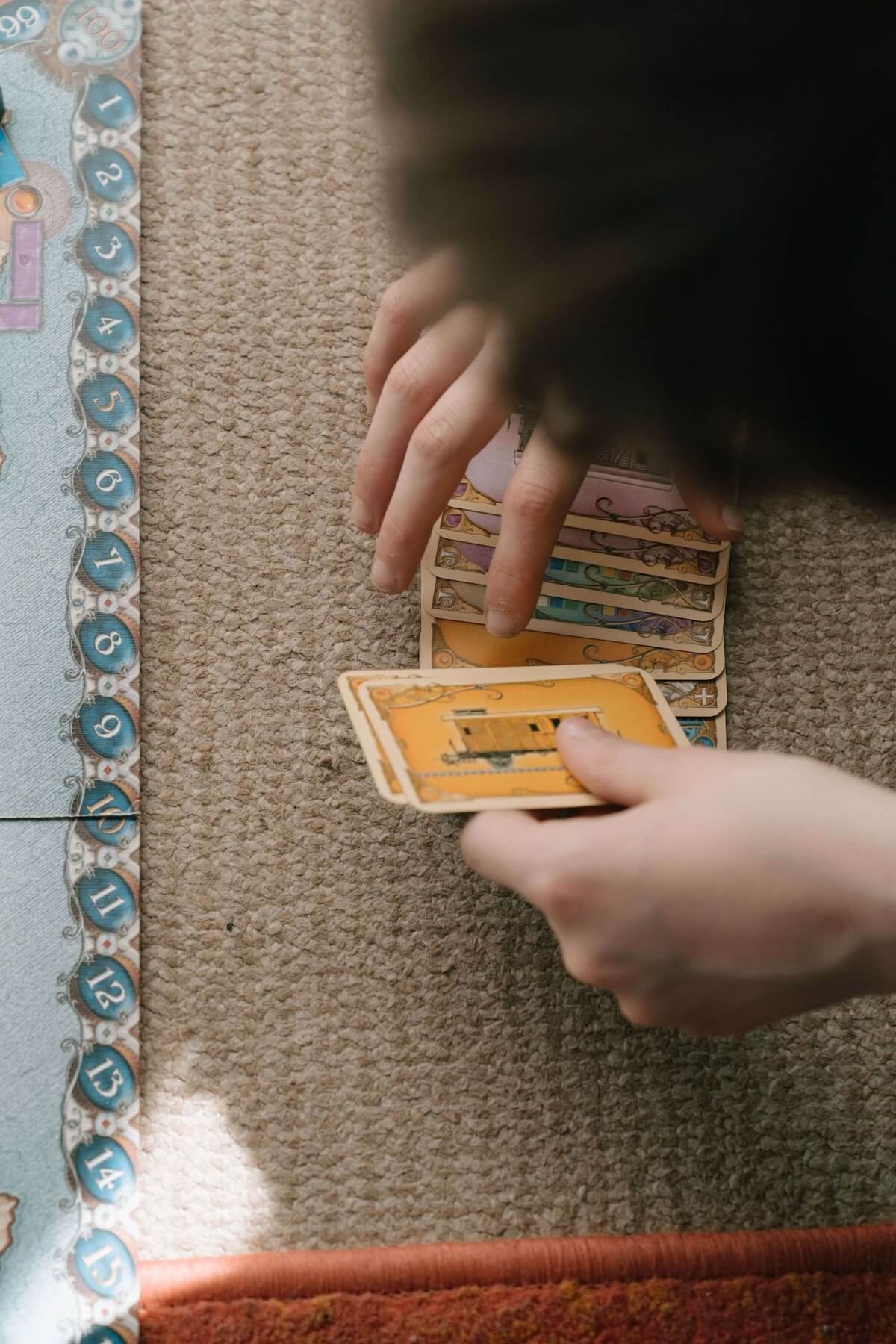
There’s something quietly magical about the moment a table fills with people who’ve all agreed, for a few hours at least, to pretend they’re someone else. I’ve run and played in enough TTRPG sessions to know that the real game rarely matches the pitch. Rules get bent, dice get cursed, and someone always ends up roleplaying a bard who’s far too invested in in‑game economics. But that messiness is the point. It’s where the stories live.
I grew up on card games long before I ever touched a character sheet. Collectible card games taught me to think in probabilities and synergies, to build decks that felt like extensions of my brain. There’s a particular satisfaction in drawing exactly the card you need on turn three, the kind of satisfaction that feels almost unfair to anyone watching. That same thrill shows up in TTRPGs, but translated into narrative terms. Instead of a perfect combo, it’s the perfect line of dialogue, the unexpected choice that turns a routine encounter into a legend you’ll retell for months.
These days I’m drawn to smaller, stranger games from independent creators. A system like Mörk Borg pulls me in with its grim, apocalyptic tone and rules that feel like they were carved out of bone and rusted iron. Lancer gives me the mech fantasy I didn’t know I needed, with a depth of customisation that rewards the kind of spreadsheet‑brained thinking I use at work. On the card side, Vault of the Void has become my go‑to solo deckbuilder, a tight, punishing loop from a tiny team that clearly loves the genre. For something more chaotic and social, Stacklands turns resource management into a literal card‑stacking puzzle that feels like a mix of town‑builder and cursed to‑do list.
What keeps me coming back isn’t the mechanics, though I do love a well‑designed system. It’s the way these games carve out space for shared imagination. In a world that’s constantly optimised and measured, there’s something rebellious about sitting down with friends and deciding that, for now, the only metric that matters is whether the story felt worth telling. I’ve had sessions where nothing “happened” by traditional standards; no boss fights, no dramatic twists. Yet everyone left buzzing because the conversation itself was the adventure.
Card games scratch a similar itch in a more compact form. A quick round between other tasks can reset my brain in a way that scrolling never does. There’s a tactile pleasure to shuffling, dealing, and laying cards on the table that digital interfaces just can’t replicate. And when those cards are tied to a world you care about, whether it’s high fantasy or grimdark sci‑fi, every hand feels like a tiny story waiting to unfold.
I suspect I’ll always be building things on the web, chasing conversions and dashboards and clean analytics. But the projects that stick with me, the ones I talk about years later, are the ones that started at a table with a group of people who agreed to believe in the same fiction for an evening. That’s the real game: not the rules or the cards or the dice, but the temporary world you build together and the stories you carry away from it.

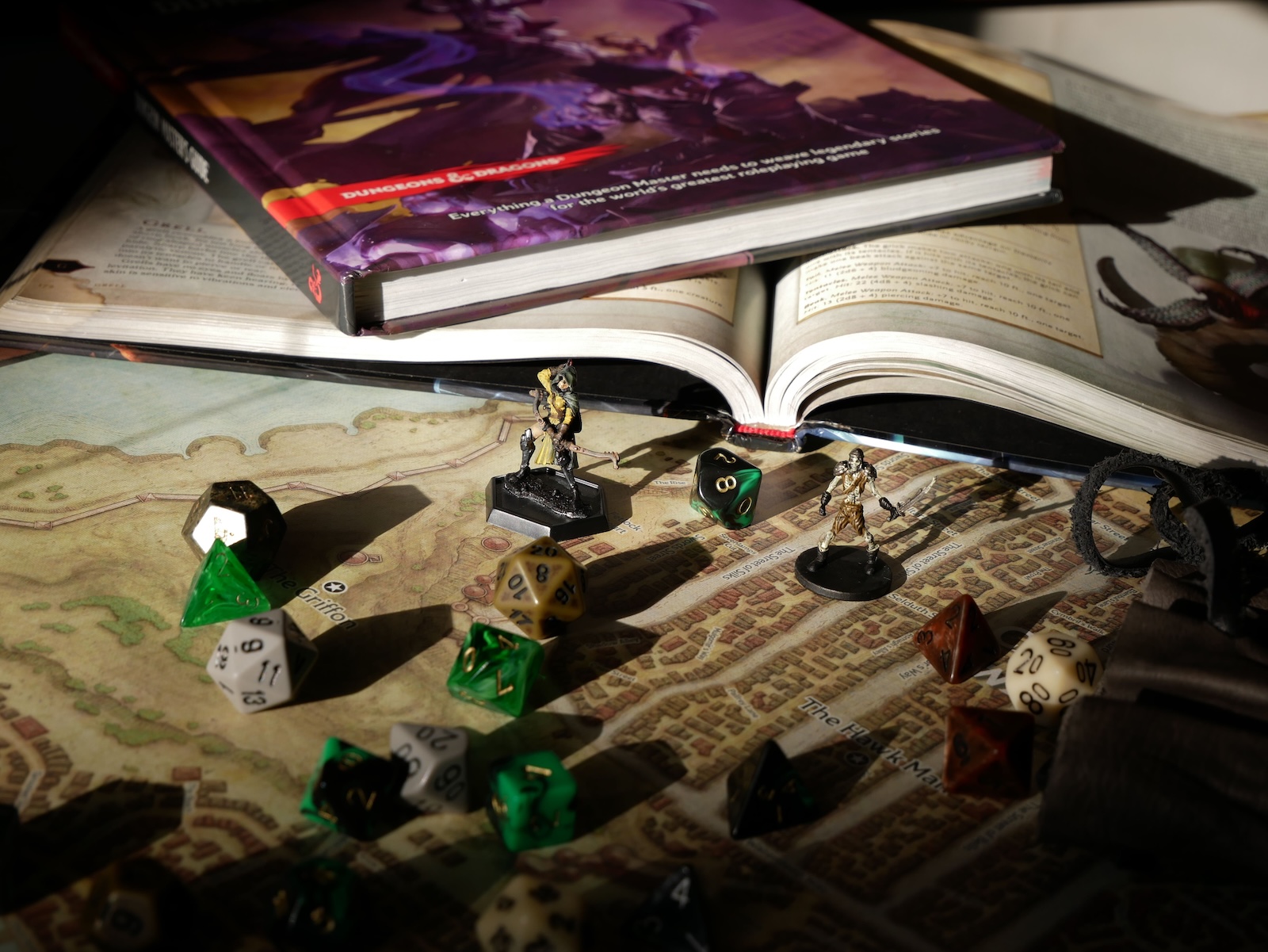
Running a one‑shot should feel like a fun detour, not a second job. I have learned that the key is not writing more, but writing less and leaning on the […]
There are evenings when I want to play something more satisfying than a screen, but nobody is free and I cannot be bothered trying to organise a full game night. […]