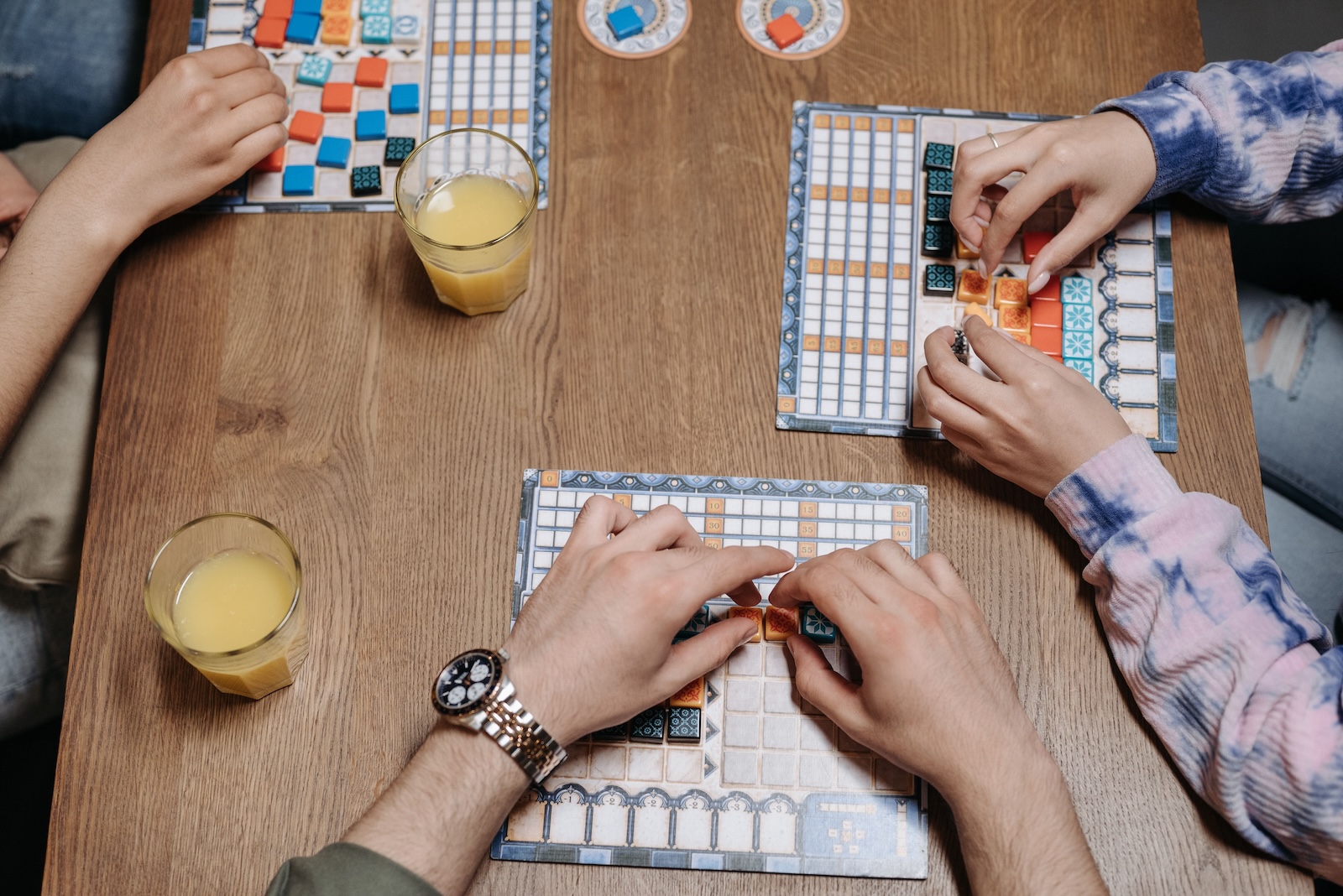
I used to feel slightly guilty about house‑ruling board games, as if I was admitting the designer got something wrong. These days I see it differently: if a tweak makes the night flow better for my group, that’s not disrespect, that’s good hosting. The rules I change most often aren’t the big, crunchy systems; they’re the small friction points that quietly drain energy over three hours.
One of my go‑to tweaks is shortening or simplifying end‑game scoring when it’s clearly dragging. If the last round is basically arithmetic with extra steps, I’ll propose a quicker variant and check everyone’s happy. It’s the same spirit behind the “house rules” discussions on shows like the Board Game Gateway Podcast, where they talk about using tweaks to keep games fun rather than turning the table into an exam hall.
I also fiddle with turn order and first‑player advantages. If a game consistently punishes whoever goes first or last in a way that feels unfair, I’ll rotate starting player mid‑campaign or add a tiny catch‑up nudge. That lines up with advice you hear from TTRPG spaces like Table Talk and the Tabletop Bellhop Gaming Podcast: talk about your house rules early, keep them open to feedback, and avoid changes that just punish a play style you personally dislike.
Another favourite is relaxing strict “you must do X or you lose” clauses in games that are already swinging heavily. If someone’s clearly out of it but the rules force everyone to sit through ten more rounds of mop‑up, I’ll introduce a soft‑exit or concession option. It’s similar to how creators like Positively Board Gaming frame house rules: do what makes the game most fun for your table, while remembering the original rules are there for a reason.
None of this is about “fixing” brilliant designs. It’s about shaping the experience so the conversation stays lively, the tension feels fair, and nobody leaves thinking “that bit was a slog”. If you’re a podcaster, YouTuber, or TikToker who covers board game tweaks and table etiquette, I’d love to hear which house rules you swear by and which ones you absolutely refuse to touch.

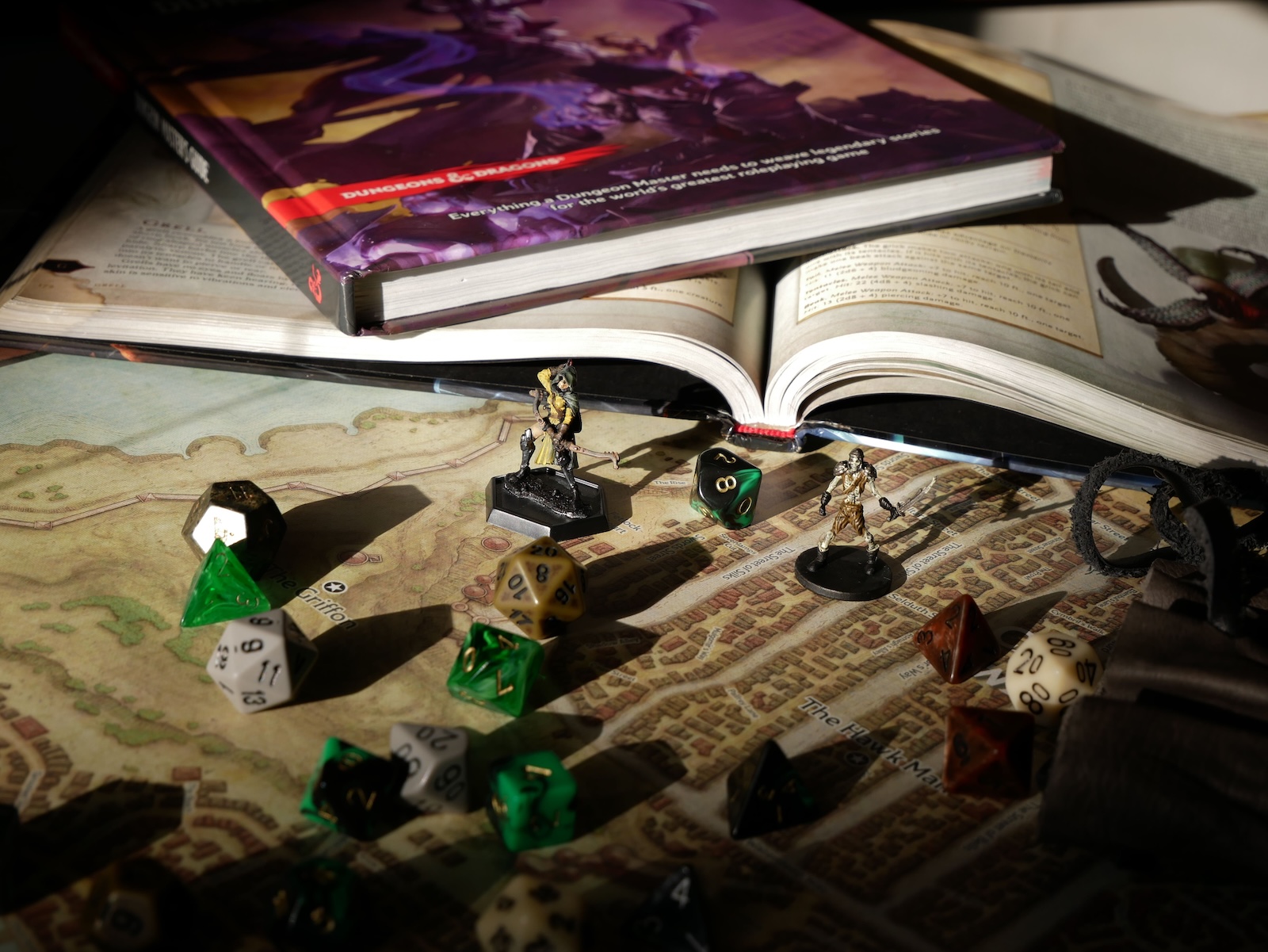
Running a one‑shot should feel like a fun detour, not a second job. I have learned that the key is not writing more, but writing less and leaning on the […]
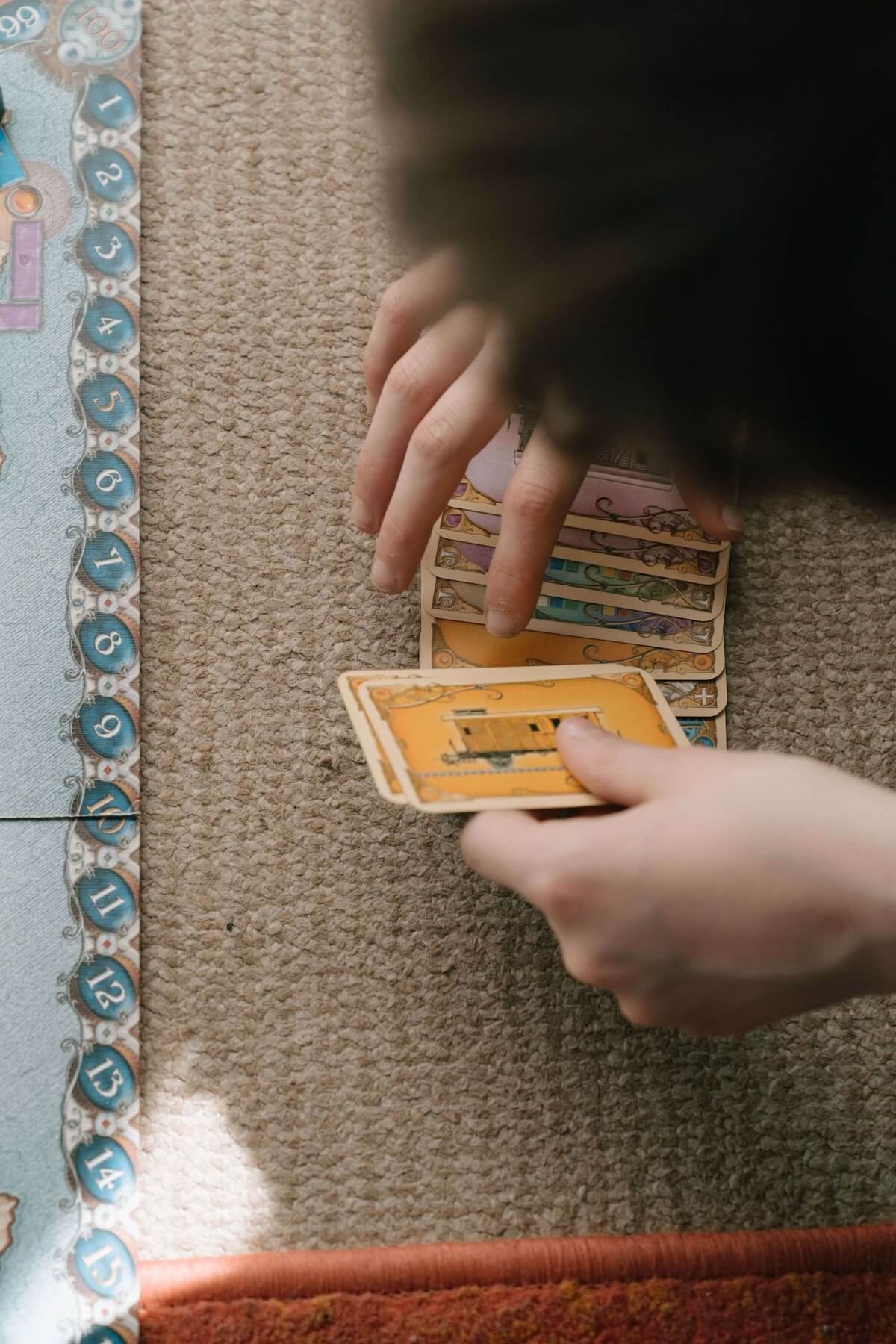
There are evenings when I want to play something more satisfying than a screen, but nobody is free and I cannot be bothered trying to organise a full game night. […]